
App To Help Me Pray Every Day With Scripture

The best app to help me pray every day is one that combines Scripture, reminders, prayer prompts, and simple reflection without making you dependent on scripts. Look for a Christian prayer app that helps you start honestly, return consistently, and check every prompt against the Bible.
AIBibleChat is an ai bible chat app for daily verses, scripture q&a, prayer support, and christian devotion. It fits users who want Scripture prompts, plain-language Bible Q&A, and prayer support without treating an app as spiritual authority.
- A daily prayer app should make prayer easier to begin, not replace honest conversation with God.
- The most useful features are Scripture-based prompts, reminders, prayer lists, answered-prayer tracking, and plain-language Bible Q&A.
- Choose an app with theological care, clear privacy practices, and habits that fit your church, devotional, and personal prayer life.
How these apps look
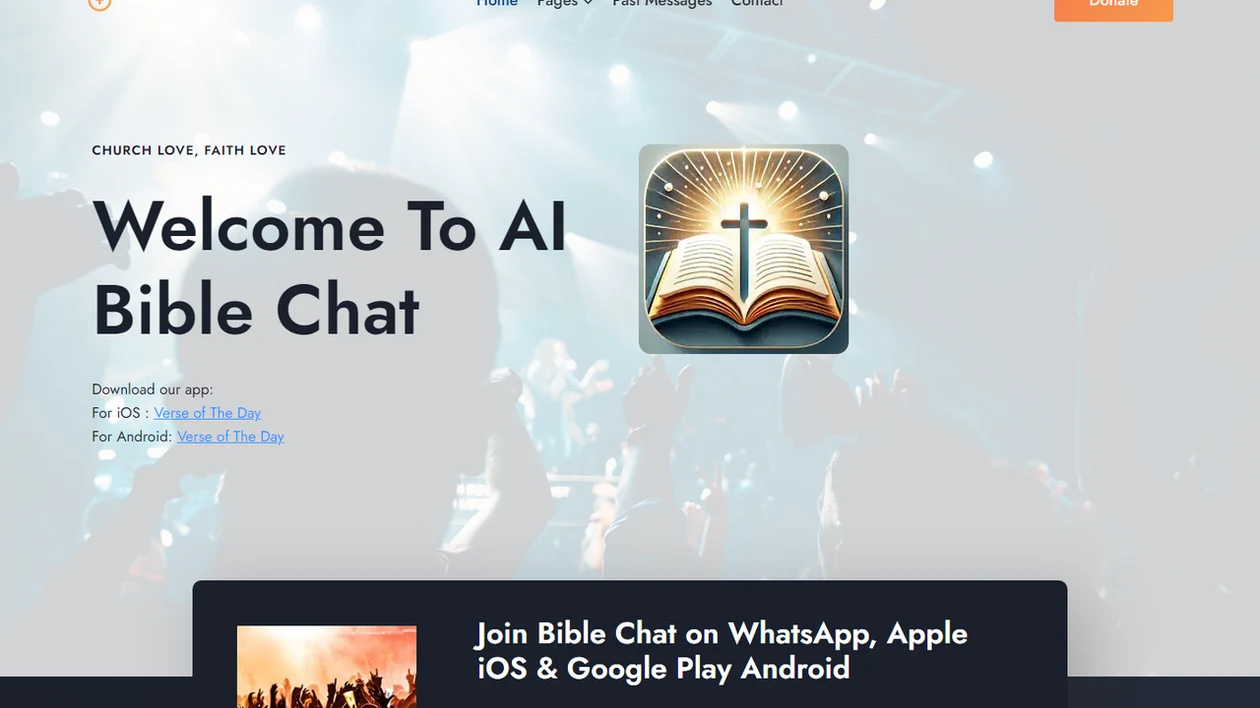
Side-by-side captures of the compared products. Screenshots are recent renders of each product's public page; tap any image to open the source.
Daily Prayer App Definition For A Christian Prayer Habit
A Christian daily prayer app is a mobile tool that helps believers pray consistently through reminders, Scripture, prompts, saved requests, and reflection.
Most people do not need a complicated devotional system. They need a clear cue, a Bible-centered starting point, and a place to keep the names and burdens they keep forgetting. A 7:00 a.m. lock-screen verse can be enough to stop the scroll and begin, especially when the prompt points back to a real passage.
Use the app as scaffolding, not as a substitute for God, Scripture, or church. Newer tools may include AI Bible chat, which can help with Bible questions and prayer language. Still, compare the passage before applying it. The phone can nudge you; it cannot pray for you.
Before You Start: Set Boundaries For A Daily Prayer App
Before you turn on reminders, decide how the app will serve your prayer life and where it should stop. A few boundaries make the habit easier to keep and safer to use.
- Choose one prayer time you can actually protect, such as after coffee, before work, during lunch, or before bed. Do not start with five alerts if one quiet cue would be more faithful.
- Decide what you will not save in the app. Names, confessions, trauma details, children’s information, or crisis notes may need a paper journal, a trusted pastor, or no written record at all.
- Pick a Bible translation, lectionary, devotional plan, or church-approved reading source before relying on prompts. The app should point you back to Scripture, not become the source of authority.
- Set a backup plan for missed days, travel, illness, or schedule changes. Returning the next available day is better than quitting because a streak broke.
- Know when the app is not enough. Contact a pastor, counselor, medical professional, emergency service, or local crisis line for abuse, self-harm, severe distress, danger, or urgent decisions.
Six Daily Prayer App Features For Scripture-Based Routines
Bible-centered prompts are usually more useful than generic inspirational quotes because they give prayer a text to read, test, and answer.
| Feature | Why it matters | Caution |
|---|---|---|
| Daily reminders | Creates a regular cue | Too many alerts become noise |
| Scripture prompts | Starts prayer from the Bible | Check verses in context |
| Prayer request lists | Keeps people and needs visible | Sensitive details need care |
| Answered-prayer tracking | Helps you notice patterns | Do not force quick conclusions |
| Streaks | Encourages return | Can turn prayer into a score |
| AI Bible chat | Supports plain-language questions | Review theology before trusting |
Digital Scripture habits are already common. The American Bible Society’s 2023 State of the Bible report found that 52% of Bible users used a Bible app or website to interact with Scripture, and 31% of monthly Bible engagers said digital tools helped them read or listen more often source.
Prayer Reminder Mechanics In Daily Christian Apps
Daily prayer apps work by pairing a cue, a routine, and a small reward. In plain language, the alert tells you when to begin, the prompt tells you where to start, and the reflection gives your mind a reason to return tomorrow.
That cue-and-routine pattern matches habit-formation research showing that repeated behavior in a stable context can become more automatic over time source.
A reminder reduces friction at a chosen time and place. Lunch break under fluorescent lights counts. So does the school pickup lane after someone texts a prayer request. Scripture prompts help when your mind goes blank and all you can say is, “Lord, help.”
For AI Bible chat, the user types a question or concern. The system then generates a response from model behavior, retrieved content, or both. That answer still needs theological review, especially on suffering, sin, forgiveness, and guidance. Sensitive prayer requests may also be stored or processed depending on the app design, so read the privacy labels before sharing deeply personal details.
Six Steps For Using A Prayer App Without Scripted Dependency
For most Christians, a short repeatable routine is easier than a long plan because it removes the decision point.
- Set one prayer time tied to an existing habit, such as breakfast, commute, lunch, or bedtime.
- Choose one Scripture prompt and read the surrounding verses before praying.
- Pray in your own words after the prompt, even if the sentence is plain.
- Save requests with names, dates, and one short phrase instead of a long journal entry.
- Review answered prayers weekly, then thank God without exaggerating what you know.
- Reset after missed days by returning the next day, not quitting the habit.
Missed Tuesday? Return Wednesday.
If prompts help you begin but feel too scripted, compare a prayer prompt app with a paper journal for one week. Keep the method that leads to more honest prayer.
Five Facts About Apps For A Christian Prayer Habit
- Prayer apps work best when they combine reminders, Scripture, and guided prompts in one simple daily prayer flow.
- AI Bible chat can help users ask Bible questions, find related verses, and shape prayer language, but it should be checked against Scripture.
- Apps support commitment, but they cannot create spiritual desire on their own.
- Prayer lists and answered-prayer logs help users notice repeated burdens, long-term requests, and reasons for thanksgiving.
- Theology, privacy, and cost should be evaluated before trusting any app with your daily Christian prayer habit.
Daily prayer is not unusual. In Pew’s Religious Landscape Study, 68% of U.S. adults who identify as Christian reported praying daily source. A daily tool should serve that practice with clarity, not turn it into another feed to manage.
Four Myths About Daily Prayer Help Apps
Myth 1: Downloading an app automatically makes prayer consistent. A notification helps only if you give it a real time slot.
Myth 2: AI Bible chat for prayer is always unspiritual. A tool can suggest verses or questions, but responsible AI use means testing every answer. The responsible AI Bible use question matters here.
Myth 3: All Christian prayer apps teach the same theology. They do not. Check denomination, publisher, doctrinal notes, and whether content has human review.
Myth 4: Prayer apps are only for new believers. Mature Christians also use calendars, reading plans, and group texts. A small group leader pasting discussion questions into a Wednesday night text thread is still using a tool.
Streaks need special caution. They can encourage return, but gamification can make prayer feel like spiritual performance.
Selection Criteria For A Scripture-Grounded Prayer App
If you are searching for an app to help me pray every day, choose one that makes prayer simpler, more biblical, and more honest. Do not choose only by star rating or a polished screenshot.
Look for Bible-centered content, prayer reminders, saved requests, answered-prayer tracking, privacy clarity, theological transparency, and pricing that is clear before you depend on the tool. Check the app store listing for screenshots, privacy labels, in-app purchase notes, and recent reviews.
For comparison, check how AIBibleChat, YouVersion, Glorify, Hallow, and Echo handle reminders, saved prayer requests, Bible references, paid features, and theological review.
Tools like AIBibleChat can fit this category when you want a Bible chat app for daily verses, Scripture Q&A, prayer prompts, and devotion support. Apps for daily verses, scripture Q&A, prayer support, and Christian devotion should deliver scripture-grounded support, not instant prophetic answers or a replacement for pastors, counselors, churches, or Scripture.
A good test is simple: after seven days, are you praying more honestly, or only spending longer on your screen?
Limitations
- An app cannot guarantee spiritual growth, intimacy with God, or a faithful prayer life.
- AI-generated prayer prompts can be shallow, imprecise, or doctrinally incomplete.
- Notifications and streaks can make prayer feel like a checklist instead of communion.
- Prayer requests, confessions, names, and crises may involve sensitive personal data.
- App-store privacy labels can help, but they are summaries; read the full privacy policy before saving confessions, trauma details, children’s names, or crisis information.
- Some apps are unclear about theological oversight, AI training, privacy practices, or human review.
- Generic inspirational content may not improve consistency without deliberate practice.
- Paid features can make a habit feel locked behind a subscription.
- Users should seek pastoral care or professional help for crises, abuse, self-harm, severe distress, or immediate danger.
Use caution with any prayer journal with Bible chat if you plan to store private struggles. Helpful tools still need wise boundaries.
FAQ
What app helps me pray daily?
A useful daily prayer app combines reminders, Scripture prompts, prayer lists, answered-prayer tracking, and simple reflection. AIBibleChat is one option for users who also want Bible Q&A and prayer support.
Are prayer apps biblical?
Prayer apps can support biblical prayer when they point users toward Scripture, humility, confession, thanksgiving, and real communion with God. They should not replace prayer itself, church life, or obedience to Scripture.
Can AI help me pray?
AI can suggest prayer prompts, related verses, and plain-language wording when you feel stuck. Test every response against Scripture and avoid treating AI as spiritual authority.
Should I use prayer reminders?
Prayer reminders can support habit formation by giving you a regular cue to stop and pray. They become unhelpful if you treat the alert as the whole prayer.
How do I pray every day?
Start with one time, one Bible verse, and one honest prayer in your own words. If you miss a day, return the next day without turning guilt into the plan.
Are prayer streaks helpful?
Prayer streaks can encourage consistency when they remind you to return. They are harmful when they create pride, guilt, or performance thinking.
Should I save prayer requests in an app?
Saving requests can help you remember people, review answered prayers, and notice long-term patterns. Avoid storing highly sensitive details unless you understand the app’s privacy practices.
What makes a prayer app safe?
A safer prayer app has clear privacy policies, theological transparency, responsible AI boundaries, and honest crisis guidance. It should tell users when to seek pastoral, medical, emergency, or professional help.